

The history of Afghanistan dates back to the ancient times when it was part of the Persian Empire. Over the centuries, it has been conquered by various rulers, including Alexander the Great, the Mongols, and the British. It became a sovereign state in 1919 when it gained independence from British colonial rule.

In 1978, a communist coup led by the People's Democratic Party of Afghanistan (PDPA) overthrew the government, sparking a decade-long conflict known as the Soviet-Afghan War. The Soviet Union intervened and supported the PDPA government, while the United States and other Western countries supported the mujahideen rebels who fought against the Soviet forces.
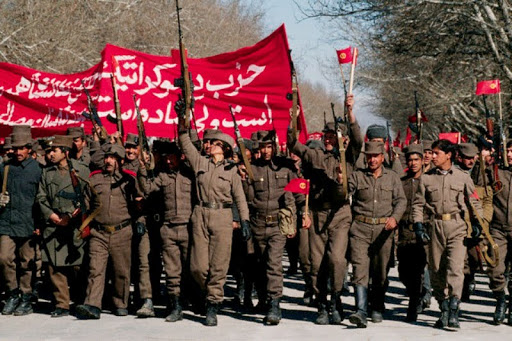
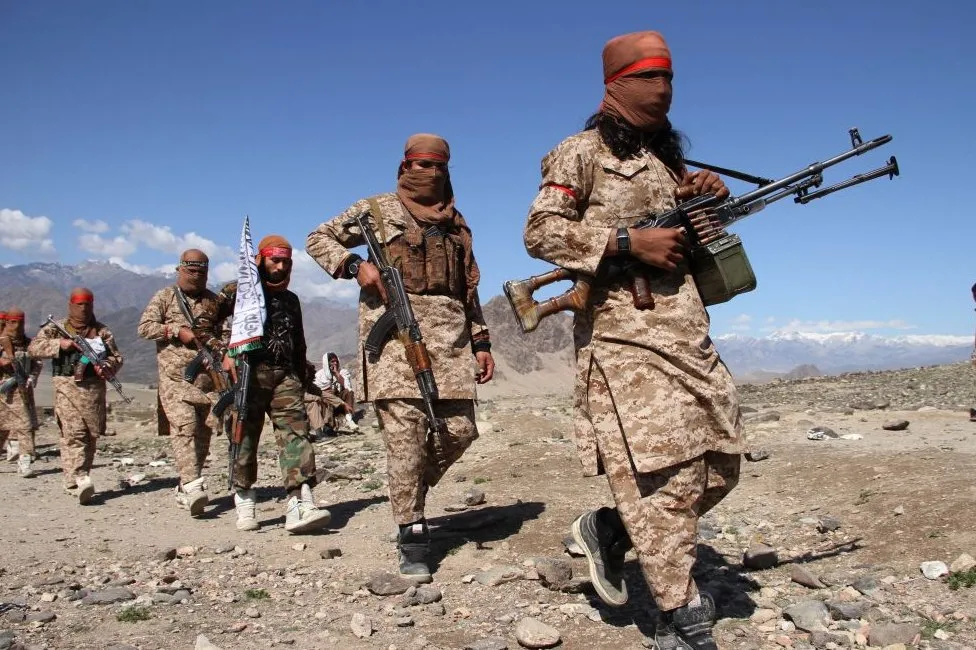
The Soviet Union withdrew from Afghanistan in 1989, but the country was left in chaos and a power vacuum. In the 1990s, the Taliban, an Islamic extremist group, emerged as a major force in Afghanistan and took control of the country in 1996, imposing a harsh form of Sharia law. The Taliban provided a safe haven for Al-Qaeda, the terrorist group responsible for the 9/11 attacks in the United States.

After the 9/11 attacks, the United States invaded Afghanistan in 2001, with the aim of removing the Taliban from power and destroying Al-Qaeda. The US-led coalition forces, along with Afghan forces, ousted the Taliban from power, but the group continued to carry out attacks and insurgency in the country.
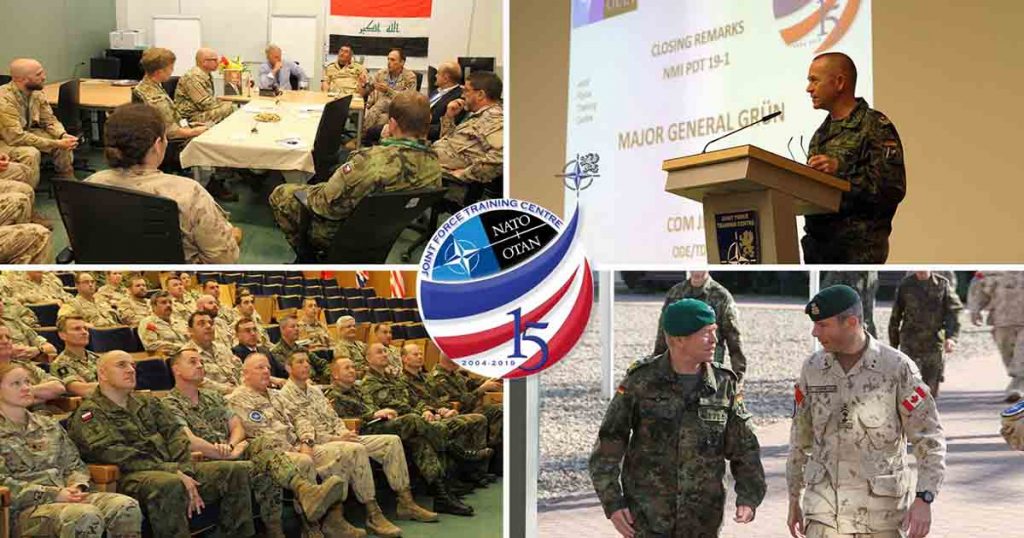
Since then, Afghanistan has gone through a tumultuous period, with ongoing conflict, political instability, and economic challenges. In recent years, the Taliban has regained strength and control over parts of the country, and in August 2021, they seized control of the capital city of Kabul, leading to the collapse of the Afghan government.The history of Afghanistan is marked by its strategic location, its diverse ethnic groups, and its long-standing tradition of resistance against foreign invaders. While the country has faced many challenges throughout its history, it continues to strive for stability, peace, and progress.

Today, Afghanistan remains a strategically important region and a hotbed of political and military conflict. But its turbulent history has left a rich cultural heritage that can still be seen in its art, literature, and architecture.

As Afghanistan continues to emerge from centuries of warfare and strife, its history of cultural mixing, conquests, and conflicts has made it a melting pot of different faiths, cultures, and traditions. This dynamic mix has created a unique cultural landscape that reflects both the diverse histories of the region and the unifying spirit of its people. Although conflict and instability still linger, Afghanistan has retained its unique character and continues to show remarkable resilience in the face of adversity.After a long and brutal civil war, the Taliban rose to power in 1996, introducing an extreme interpretation of Sharia law and oppressive rule. The United States and its allies launched a military intervention in 2001, eventually ousting the Taliban from power. Although the Afghan government was eventually restored, the country continued to face major security challenges, as well as corruption and political instability.
In the wake of these events, Afghanistan underwent a period of difficult rebuilding and transition. Despite numerous attempts to bring peace and stability, the country continued to struggle with entrenched insurgency and extreme poverty. The government and its international allies invested billions of dollars into reconstruction and development, with the aim of transforming the country into a functioning democracy. However, the fragile gains of the past decade have been threatened by escalating violence and renewed political tensions, making Afghanistan's future uncertain.After a long and brutal civil war, the Taliban rose to power in 1996, introducing an extreme interpretation of Sharia law and oppressive rule. The United States and its allies launched a military intervention in 2001, eventually ousting the Taliban from power. Although the Afghan government was eventually restored, the country continued to face major security challenges, as well as corruption and political instability.
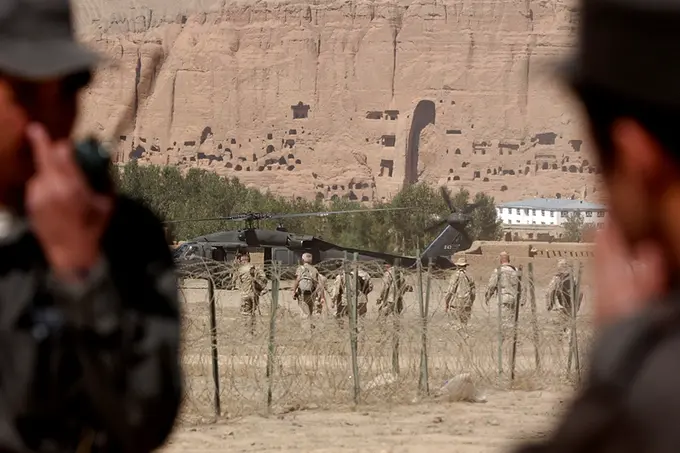
In the wake of these events, Afghanistan underwent a period of difficult rebuilding and transition. Despite numerous attempts to bring peace and stability, the country continued to struggle with entrenched insurgency and extreme poverty. The government and its international allies invested billions of dollars into reconstruction and development, with the aim of transforming the country into a functioning democracy. However, the fragile gains of the past decade have been threatened by escalating violence and renewed political tensions, making Afghanistan's future uncertain.


0 Comments