

Afghanistan is a landlocked nation situated in South and Central Asia, bounded by Pakistan to the east and south, Iran to the west, Turkmenistan, Uzbekistan, and Tajikistan to the north, and China to the northeast. With a populace of almost 39 million people, Afghanistan is ethnically mixed, with Pashtuns as the dominant ethnic group, trailed by Tajiks, Hazaras, Uzbeks, and others.
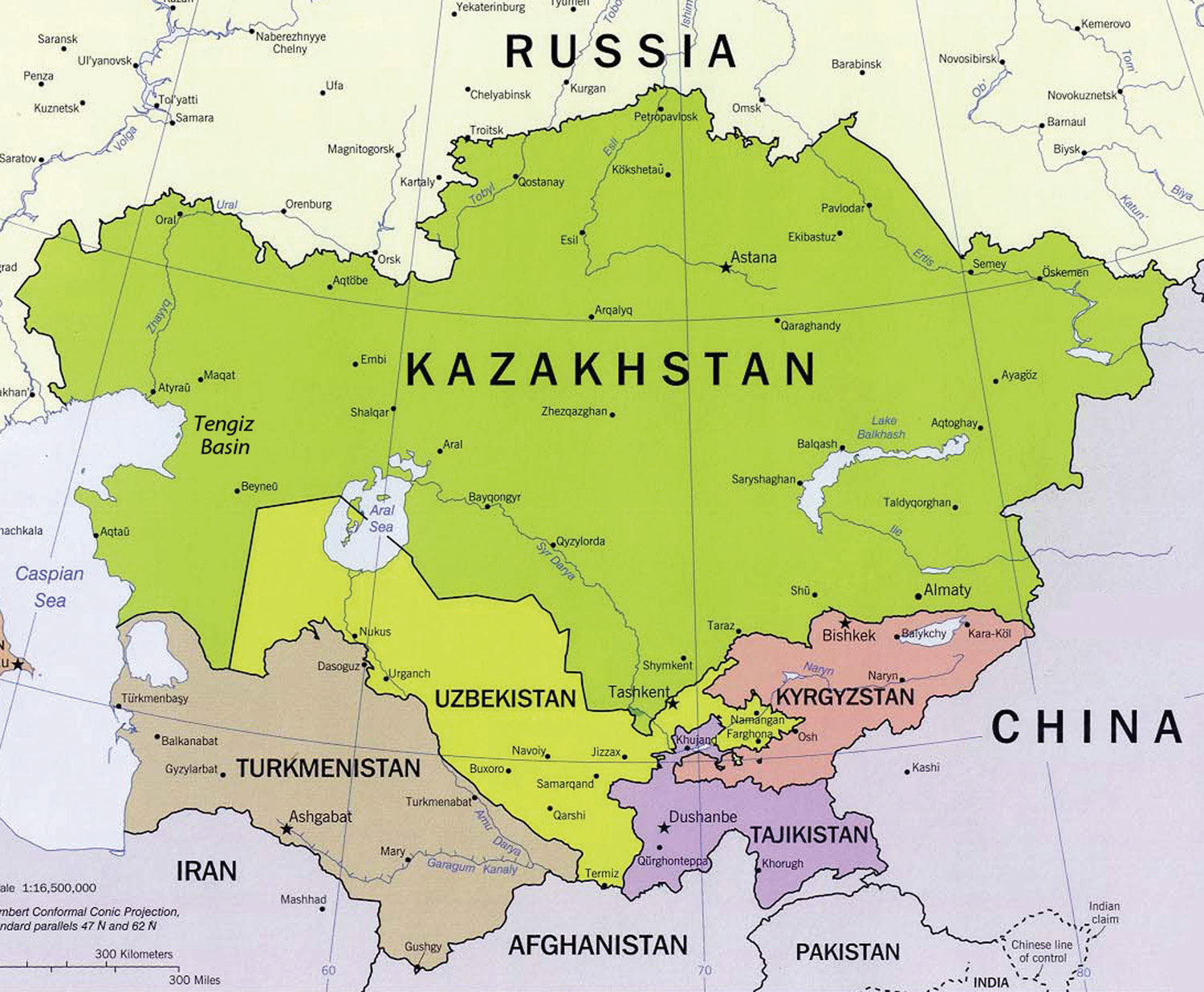
This ancient nation has an enduring and affluent culture that goes back more than 5,000 years, with vestiges of primitive human settlements dating back to the Neolithic Age. Over time, Afghanistan has been a center of trade, movement, and conquests, with several empires and dynasties, like the Achaemenids, Mauryans, Greeks, Kushans, Sassanids, and Ghaznavids, among others, ruling the area.

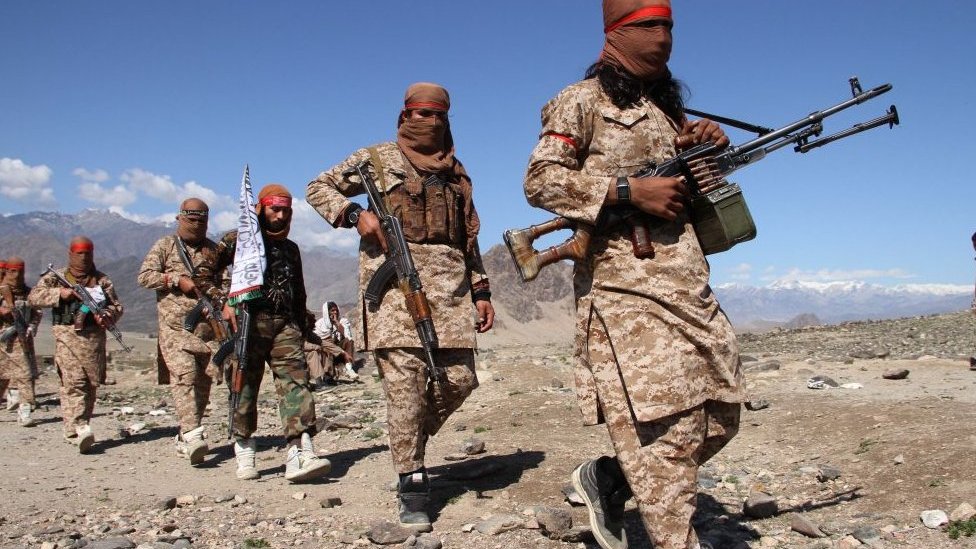
In modern times, Afghanistan achieved freedom from British colonial control in 1919, and has gone through a succession of political, social, and economic transformations since then. The country experienced a time of relative calm and progress during the 1960s and 1970s, during King Zahir Shah's administration, but descended into turmoil and conflict during the 1980s and 1990s, due to the Soviet invasion and the surge of extremist groups such as the Taliban.
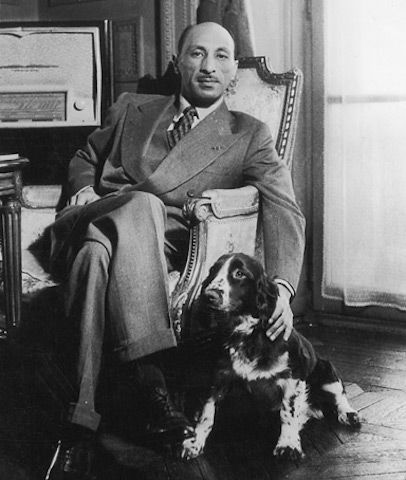 |
| Last King Afghanistan |
The US-led attack of Afghanistan in 2001, following the September 11 strikes, led to the eviction of the Taliban administration and the formation of a new government. Unfortunately, the nation has continued to confront numerous issues, including political instability, ethnic and sectarian divisions, a frail economy, corruption, and insecurity.
Even though it is beset by problems, Afghanistan has made tremendous progress in recent years towards creating a more stable, democratic, and prosperous future. The citizens of the country, who are well-known for their fortitude, friendliness, and strong sense of unity, remain devoted to surpassing the impediments and attaining long-lasting harmony and growth.


0 Comments